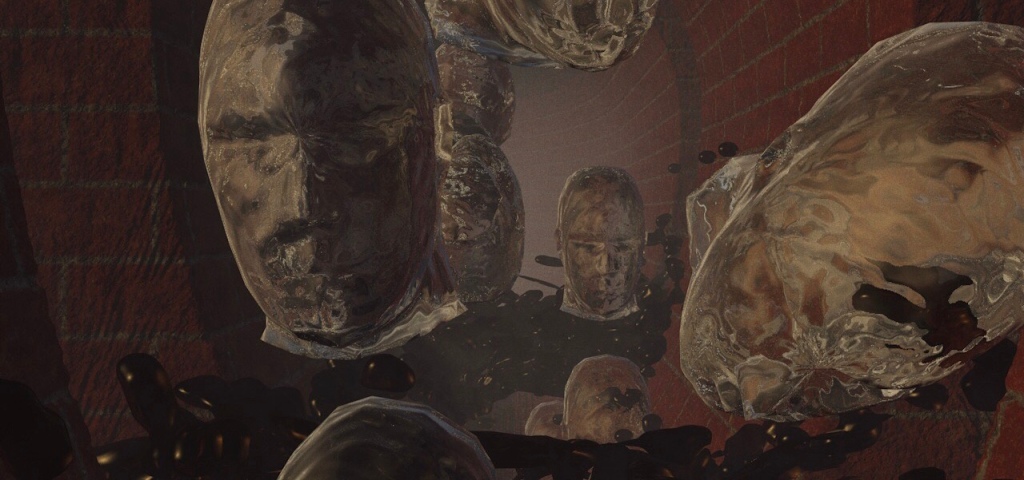
“Because it’s hidden, because you can’t see it. You tend to forget that it’s there.” – Alison Gilmour
“Hidden Facts Behind The Water” unearths the invisible history of the water industry, unfolding in three chapters: the Industrial Revolution’s grim struggle with cholera; the grueling, high-pressure labor that forged the Victorian sewers; and the silent digital networks and big data governing our water today. By surfacing these hidden narratives, the work interrogates the seamless nature of modern consumption, exposing the profound layers of industrial struggle and human labor that underpin our most essential resource.
Research
After listening to the oral history recording “Tunnelling & Victorian Sewers,” I learned about the details of sewer construction and tried to find the hidden and forgotten facts behind the water industry.
First, I used three types of water to represent sewage, dirty water, and pure tap water, illustrating the necessity of water infrastructure.
For the historical construction period, I recreated the Victorian “egg-brick” sewer structure. I used repetitive human motifs and collisions to express the grueling labor required to build these tunnels. The soundscape blends oral history snippets (e.g., “hard-working guys,” “high-pressure environment”) with my own field recordings from sewers and mixed audio effects.
To address the modern era, I used abstract animation to explain the invisible networks and data behind our water supply. Ultimately, this project highlights the immense investment of money, time, and labor required to sustain this vital industry.
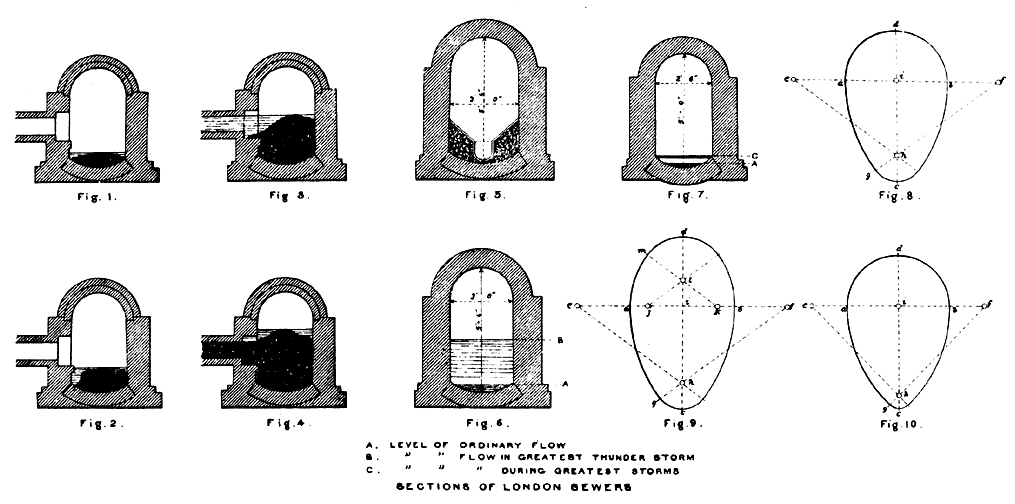


London Sewers and Cholera Virus
Process
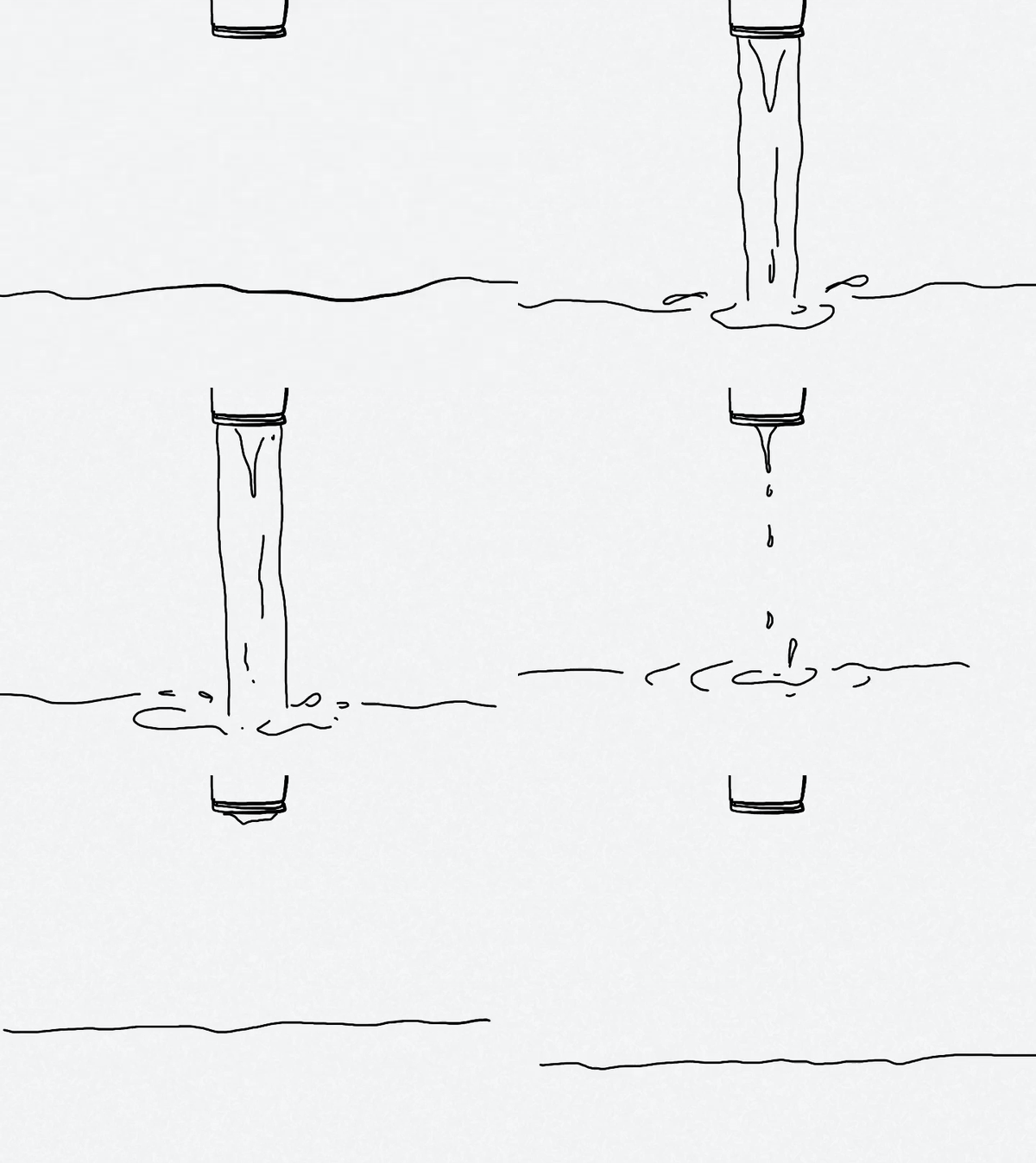
Sketch for Tap Water 
Labour in the Sewer
In this video, I try to reveal these facts and the audience will understand these things through the acoustic and visual environment. Firstly, I used three different kinds of water to stand for the dirty water, sewage and pure tap water. Then I tried to display the reason why people need to start to build water industry. For the construction period, I restored the egg-brick structure of Victorian Sewer and used a large number of human heads and collisions of human heads to express how difficult it was to build sewers. I selected several words in oral history recording, such as ‘hard-working guys, high-pressure environment, etc.’. At the same time, I recorded some sound from sewers and downloaded some audio effects on https://freesound.org/, and then mixed them to let audience immerse in this video. As for the current time, so many people cannot understand why we need to spend a lot of money on using water. I tried to use a short abstract animation to explain the hidden network and data behind the water industry. All of these need to cost a huge amount of money, time and labour.
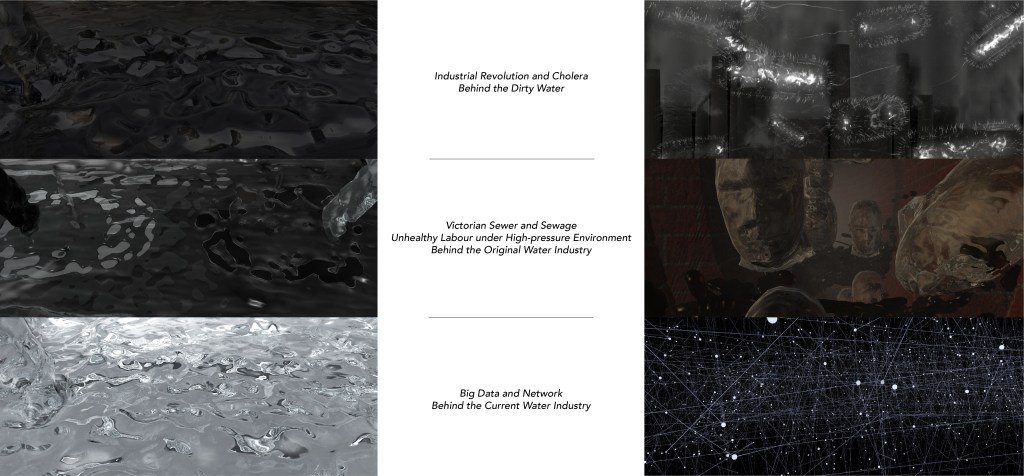
Video Screenshot
Reference
Sound Sample – Oral History Recording – Geoff Aitkenhead interviewed by Alison Gilmour, 2011, An Oral History of the Water Industry, C1364/18 © British Library
2009/2010 National Life Stories Annual Review, pages 14-15
https://www.bl.uk/britishlibrary/~/media/subjects%20images/oral%20history/oral%20history%20and%20nls%20documents/nls%20annual%20review%202009-10.pdf
Mary Gayman, “A Glimpse into London’s Early Sewers,” Cleaner Magazine, © 1996, COLE Publishing Inc. Reprinted with permission from Pumper and Cleaner.
http://www.swopnet.com/engr/londonsewers/londontext1.html
That’s Not What I Said’: Interpretative Conflict in Oral Narrative Research.” In Women’s Words: The Feminist Practice of Oral History
https://www.researchgate.net/publication/287112727_That’s_Not_What_I_Said’_Interpretative_Conflict_in_Oral_Narrative_Research_In_Women’s_Words_The_Feminist_Practice_of_Oral_History
All about cholera, The Sunday News
https://www.sundaynews.co.zw/all-about-cholera/
Software – Houdini, Cinema 4D, Final Cut Pro
Feb. 2020 – Mar. 2020
 DANNI ZHENG